SuplemenPria.id SuplemenPria.id
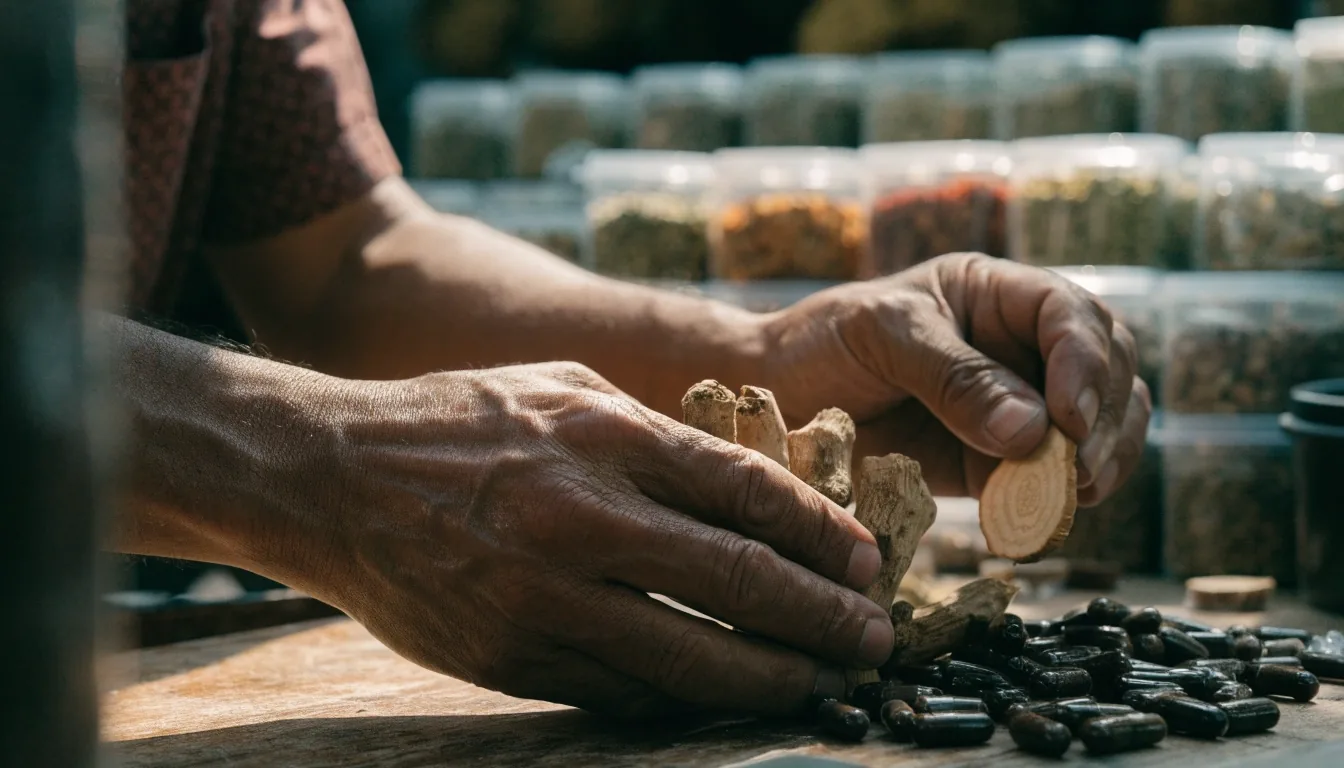
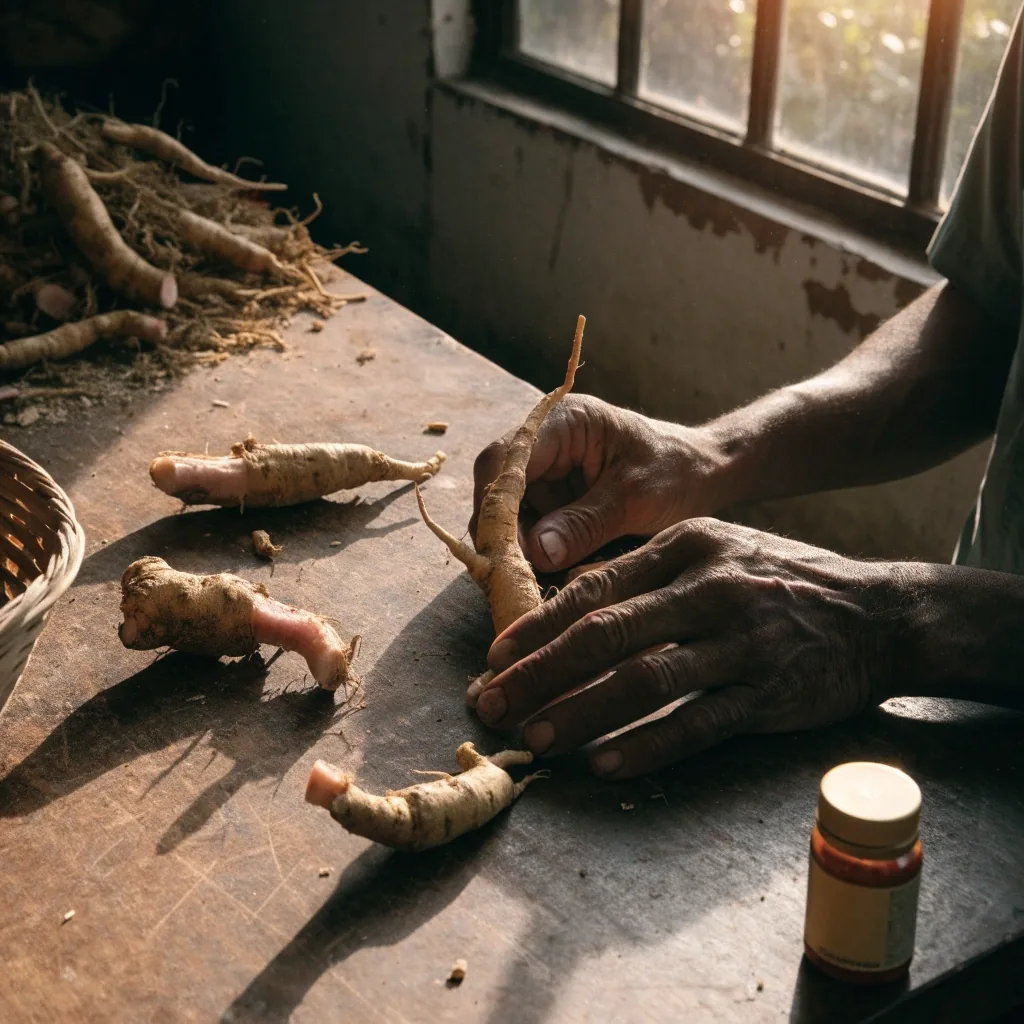
Dried maca root, ginseng slices and herbal capsules arranged on a wooden table

Herbal ingredients

Herbal Ingredients in Men's Formulas Explained

Walk through any men's supplement aisle in Jakarta and the same botanical names repeat across brands. Ginseng, maca, tribulus, pasak bumi — common enough that many buyers recognize the words without knowing what each one does in a formula. This guide covers the herbal side of natural supplements for men, so you can tell a stacked blend from a single-ingredient product before you spend.

The lead name on the front sells the bottle. The full panel describes the product.

Panax ginseng: the familiar anchor

Stacked formulas

Fresh ginseng root beside a row of unbranded supplement bottles

Panax ginseng is the botanical most buyers recognize first, and it anchors many men's herbal products. Natureline Men's Health, sold by Watsons Indonesia as a 30-capsule product, lists Panax ginseng alongside Epimedium, Pasak Bumi, and Ginkgo biloba. That placement is typical. Ginseng usually appears as the lead name on a stack because it is the ingredient the market already knows.

When a formula lists it first, read the rest of the panel before assuming the product is built around it. Order of appearance is a marketing choice as much as a formulation one — the familiar name sets the expectation, and the supporting botanicals fill out the rest of the capsule.

Maca root and the single-ingredient route

Maca is the clearest example of a botanical that works as a standalone product. Solaray Maca Root 525mg, listed by Natural Farm in the men's supplement category, uses maca root as its primary ingredient and comes in a 100-capsule bottle. That is a different proposition from a stacked formula: one ingredient, one amount, no ambiguity about what you are taking.

Maca's presence in men's vitality products is strong enough that it appears both solo and inside blends. If you want to test one botanical at a time, maca is an easy place to start — the label tells you exactly what the capsule holds.

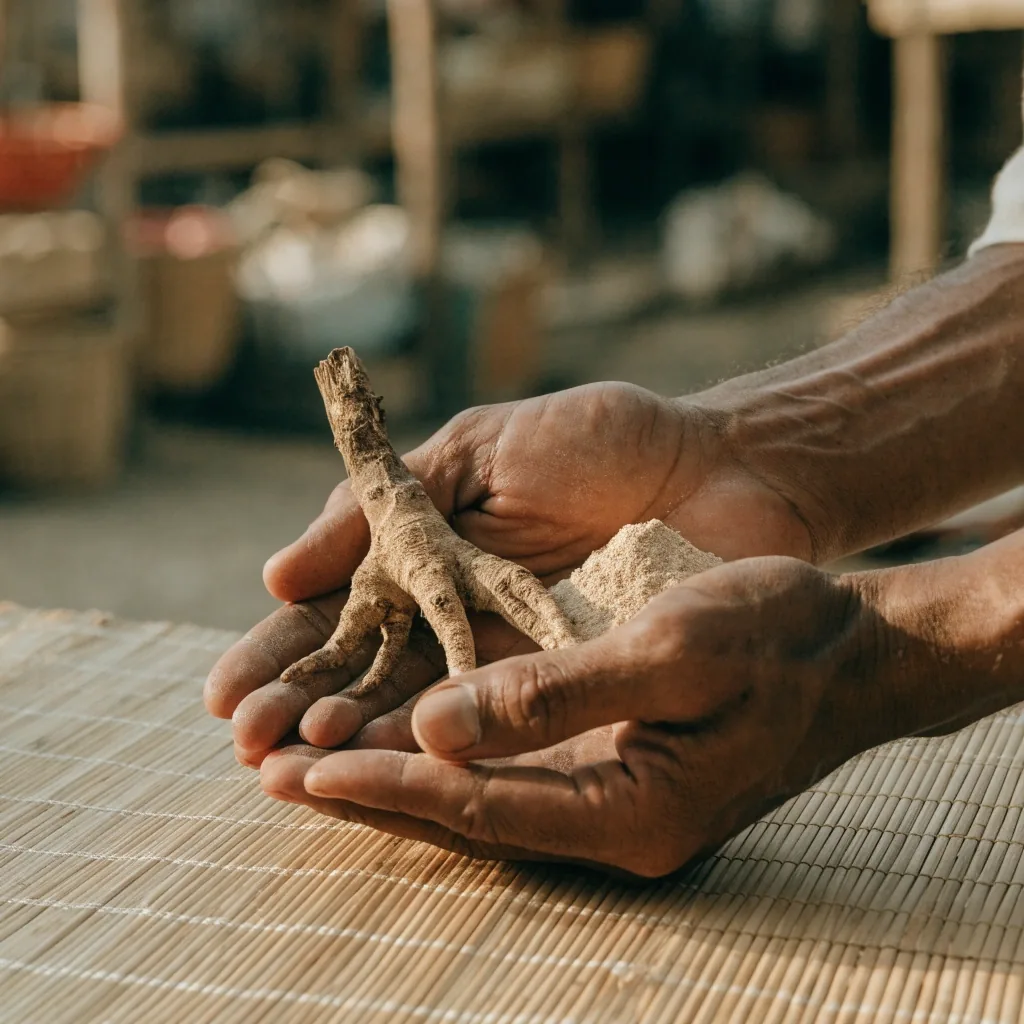
Maca root powder in a dish beside whole dried maca roots
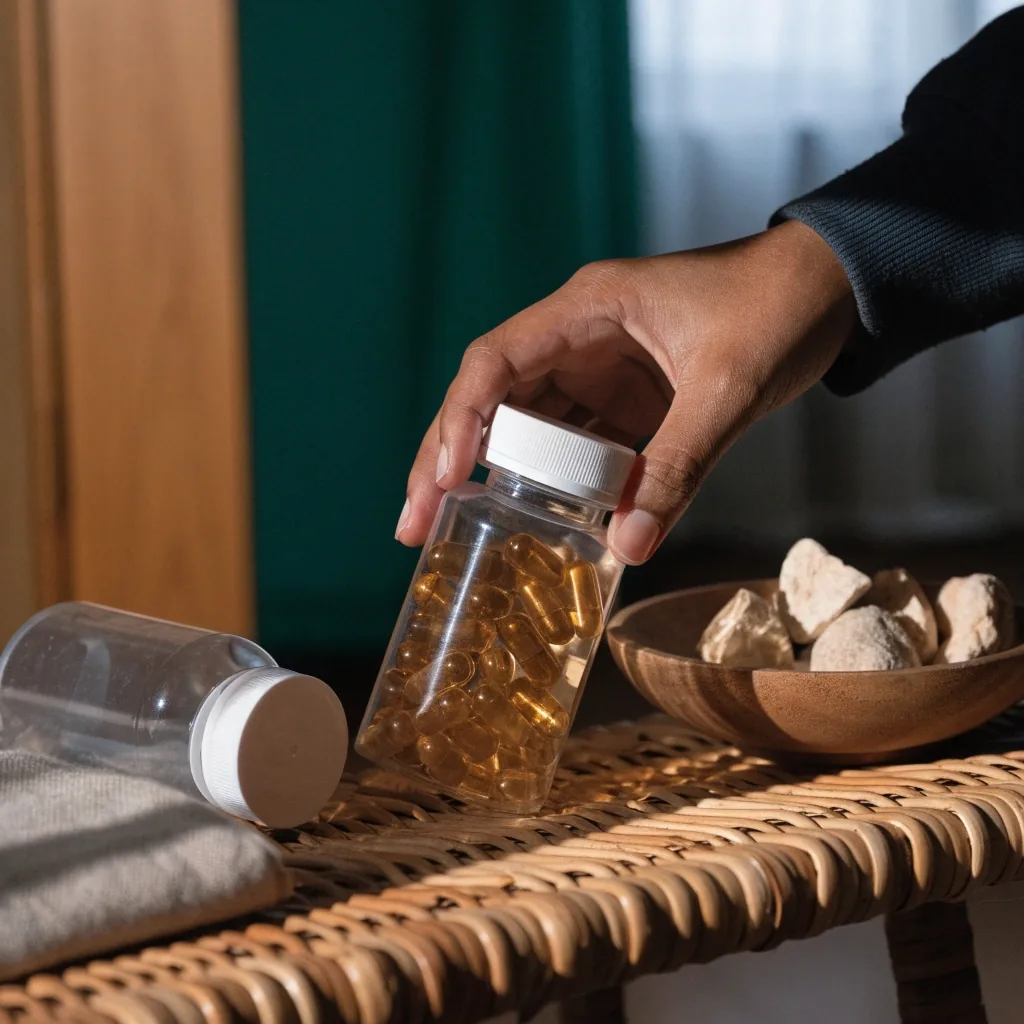
Single capsule on a wooden board beside a tray of capsules
Two plain supplement bottles standing on a shelf with folded linen

Single ingredients versus stacks

The two routes answer different questions. Read the comparison, then decide which one matches how you actually want to test a botanical.

What you are weighing Single-ingredient product Multi-botanical stack
Amounts on the label Usually states a milligram figure, as Solaray Maca Root does at 525mg and Optimum Nutrition Tribulus at 625 mg. Individual amounts are often absent, so you compare names rather than quantities.
Testing one botanical Lets you add one variable at a time and keep the rest of your routine unchanged. Several botanicals enter at once, and no single one can be judged from the label.
Daily routine One bottle, one habit — simple, but you may end up keeping several if you try more than one. One capsule in the morning and no bottle collection.
Checking for overlap Easier to spot duplication with a multivitamin, since you read one ingredient list. Requires reading the whole panel, because ginseng and Ginkgo can also appear in vitamins and minerals for men.

The ingredients you will meet on the shelf

Four botanicals carry most of the recognition in Indonesian men's herbal products. Each one plays a different role in a formula, and each has its own retail history.

Tribulus terrestris

Stacked and solo

Tribulus terrestris appears in multiple men's supplement formulas and is named in ANTARA's Erojan ingredient list. It also has a solo market: Optimum Nutrition Tribulus 625 mg is listed in the Indonesian men's supplement retail category, built around tribulus as its core ingredient and sold in capsule form. That dual presence tells you something useful — tribulus is common enough to stand alone, but it is more often included alongside other botanicals than by itself. When you see it in a stack, treat it as one element of the formula rather than the whole story.
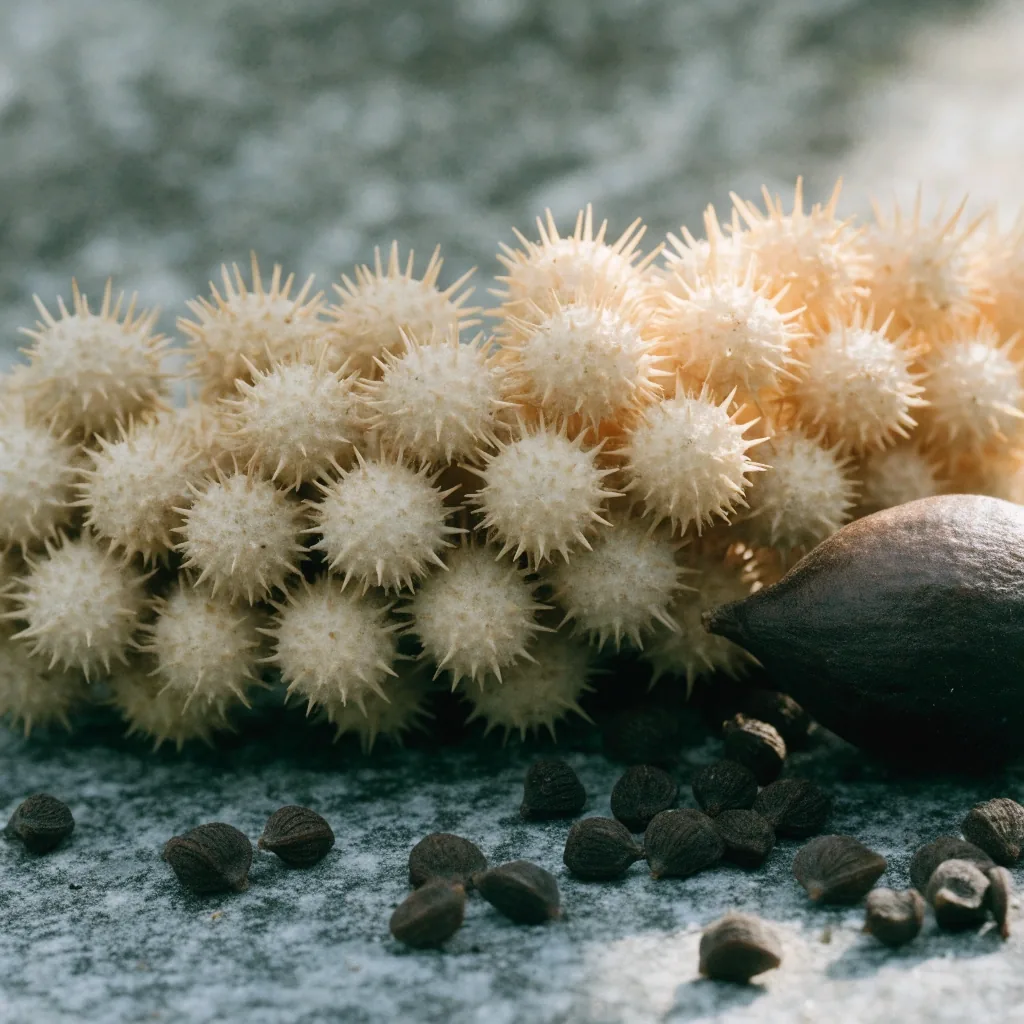
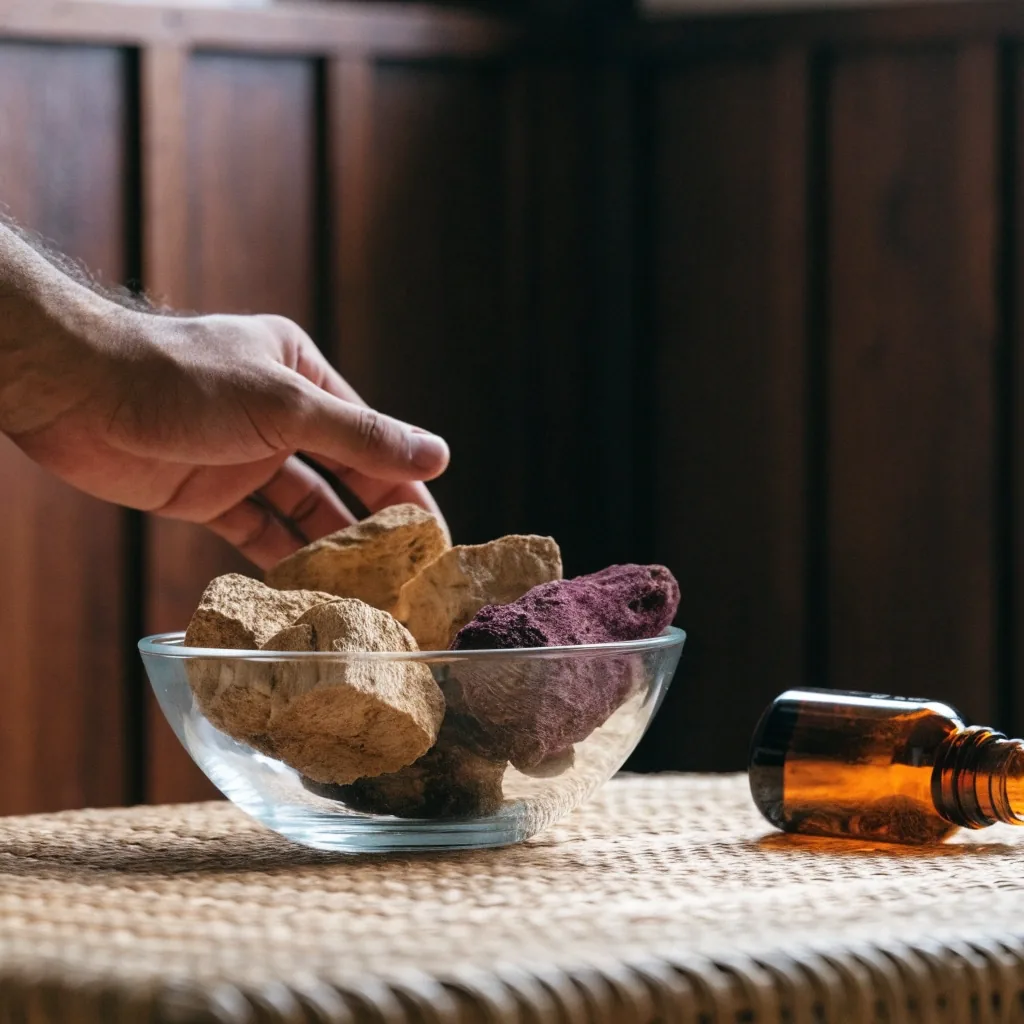
Dried tribulus terrestris seed pods beside a single dark capsule

Pasak Bumi

Local ingredient

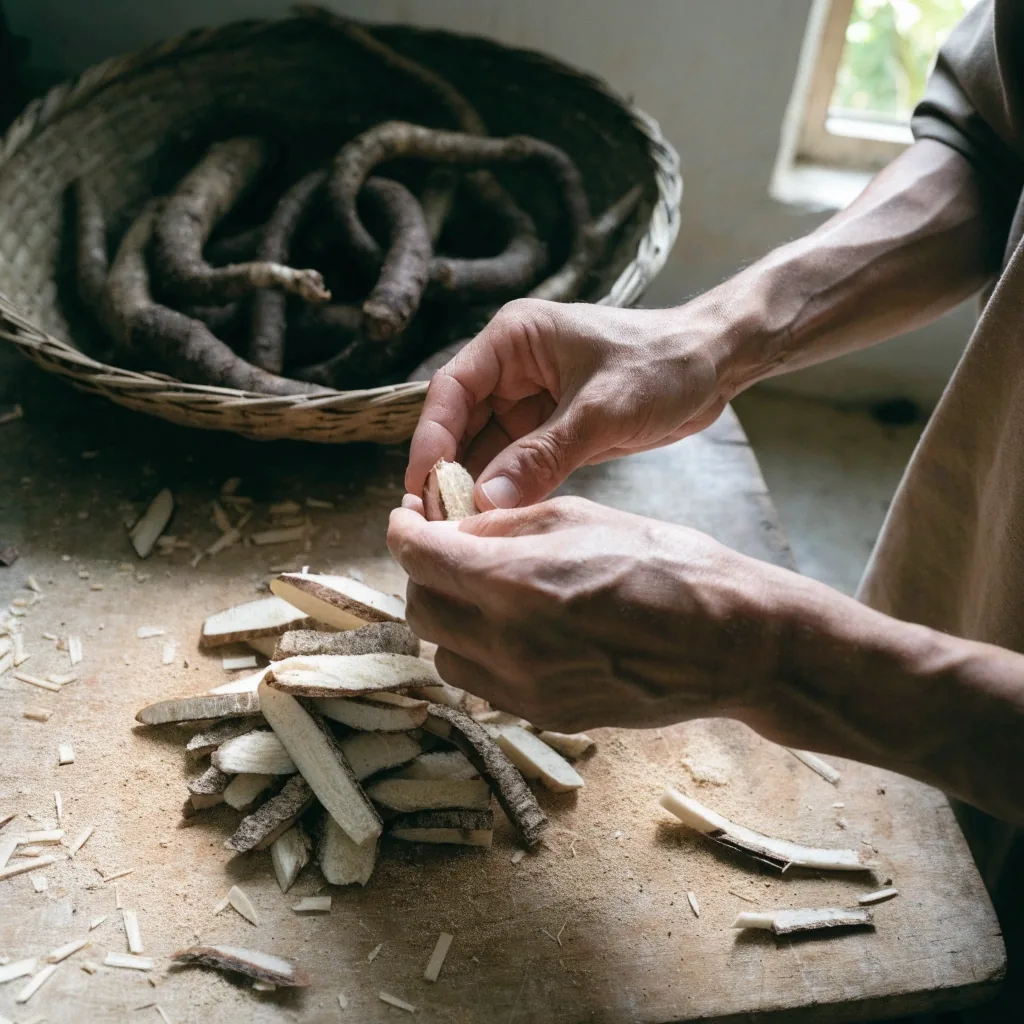
Pasak Bumi is a botanical that appears in Indonesian-origin men's herbal products, and Natureline Men's Health lists it as one of its four ingredients. Its presence is a signal about the product's origin and target market. Locally made formulas can use ingredients that imported multivitamins rarely feature, which is one reason the Indonesian shelf looks different from a US or European one. If you are comparing an imported daily multi against a local herbal capsule, you are comparing two different ingredient traditions, not two versions of the same thing.

Sliced pasak bumi root pieces arranged in a shallow woven tray

Ginkgo biloba

Supporting botanical

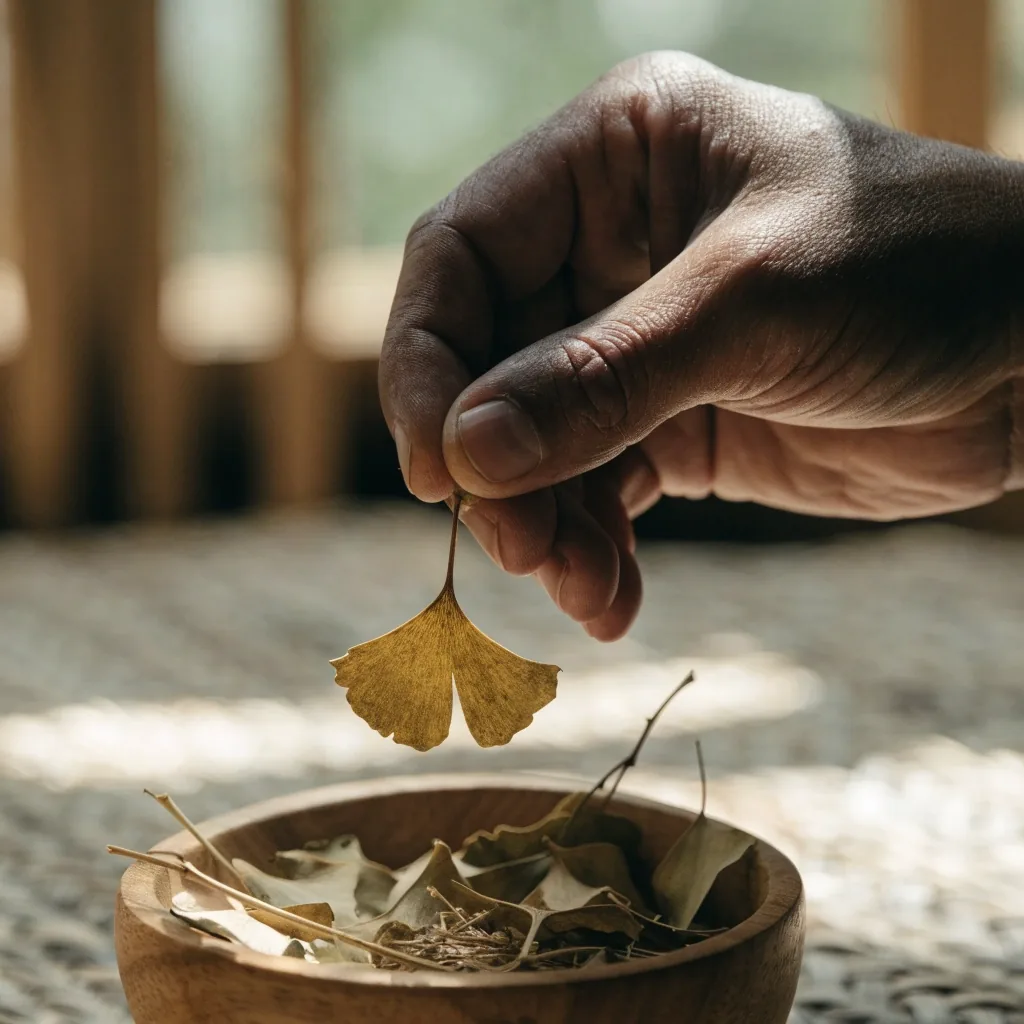
Ginkgo biloba rounds out the common herbal set, and it appears in Natureline's four-ingredient stack alongside ginseng, Epimedium, and Pasak Bumi. It is usually included as a supporting botanical rather than a headline ingredient, which is why it often sits lower on a panel. Ginkgo's role in these formulas is best understood as part of a blend's overall character. When several botanicals are stacked in one capsule, no single one can be evaluated on its own from the label. The formula is the unit, for better and for worse.

Dried ginkgo biloba leaves scattered across a pale ceramic tray

Epimedium

Supporting cast

Epimedium is the fourth ingredient in Natureline's stack and belongs to the broader group of botanicals that appear in men's vitality formulas without a large solo market in Indonesia. Products like this usually combine several supporting botanicals with one or two recognizable names on the front. That structure is worth understanding: the lead names sell the bottle, and the full panel describes the product. If a supporting botanical matters to you, check whether the label gives an amount per serving — many stacked formulas list ingredients without individual quantities.

Dried epimedium leaves and stems on linen beside a wooden scoop
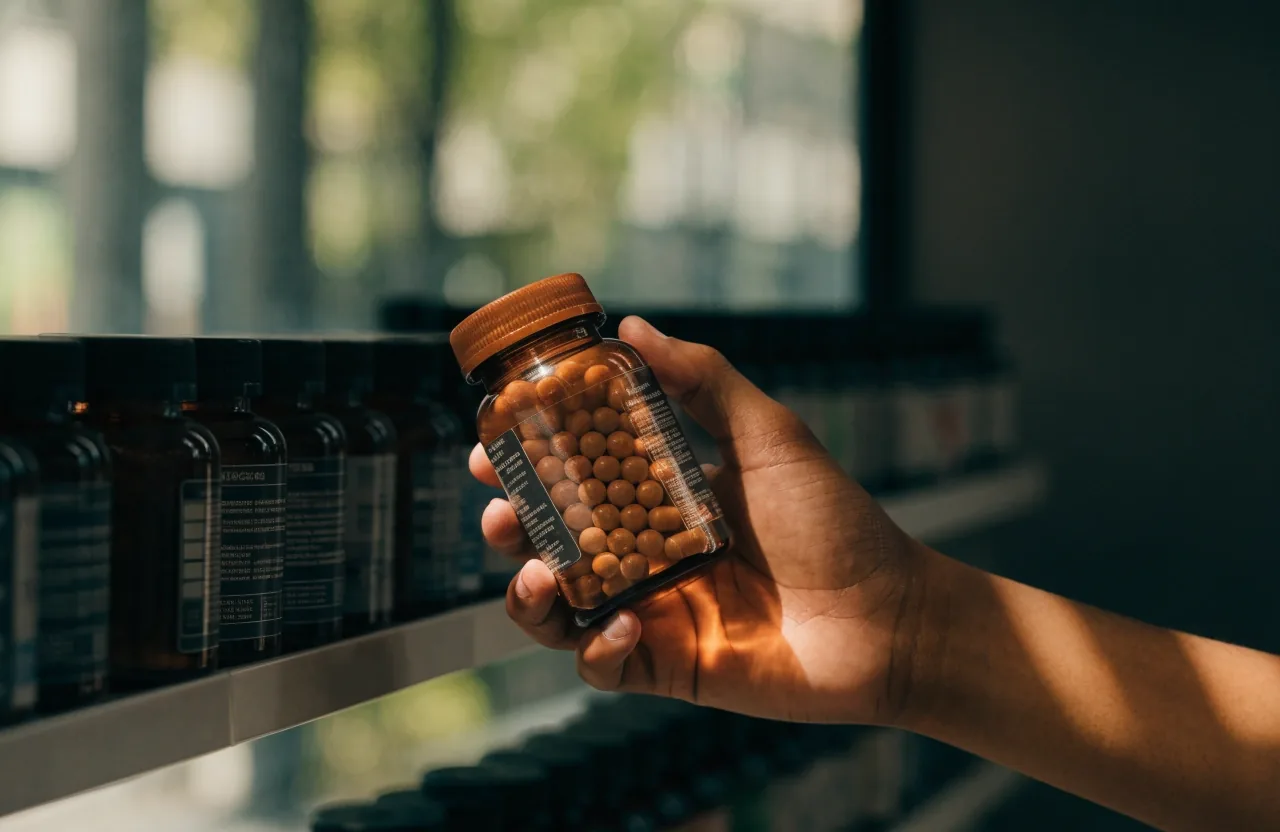
Hand reaching for a supplement bottle on a bright store shelf

What amounts on the label tell you

Amounts are where herbal labels get quiet. A panel may list six botanicals and give a milligram figure for none of them. Solaray Maca Root states 525mg because maca is the whole product. Optimum Nutrition Tribulus 625 mg states its amount for the same reason. In a stacked formula, individual amounts are often absent, which makes comparison between two stacks difficult.

When you can only see names, treat the product as a blend and judge it on the total picture rather than on one ingredient. That is not a reason to avoid it — it is a reason to read the panel before you decide how it fits your routine alongside vitamins and minerals for men.

Where herbal capsules sit in a daily routine

Herbal capsules fit into a week differently from a daily multivitamin. They are usually taken on a schedule, often once or twice a day, and the useful test is consistency over several weeks rather than a single morning.

If you already take a multivitamin, check for overlap before adding a herbal product, since ginseng and Ginkgo can appear in both. Healthy lifestyle products work best as part of a routine you can actually keep, not as a one-off purchase.

Before you add a botanical

If you take prescription medication or manage a health condition, this is a conversation to have with your doctor rather than with a marketplace listing. Herbal does not mean interaction-free.

Ask about an ingredient
Glass of water and two herbal capsules on a bedside table in morning light

Keep the panel

Photograph the ingredient list before you finish the bottle, so you can compare it against the next product without relying on memory.

Write down the start date

A herbal routine is judged over weeks. Noting when you started makes the review honest instead of a guess.

Questions about herbal men's formulas

What is the most common herbal ingredient in men's formulas sold in Indonesia?

Panax ginseng is the most widely recognized and appears in stacked products like Natureline Men's Health. Tribulus terrestris and maca are the other two with strong presence, and both also have single-ingredient products on the market.

Is a stacked herbal capsule better than a single-ingredient product?

They solve different problems. A stack gives you one simple habit but no way to isolate an ingredient. A single-ingredient product like Solaray Maca Root or Optimum Nutrition Tribulus lets you test one botanical at a time without guessing.

Do herbal capsules list their ingredient amounts?

Sometimes. Single-ingredient products usually state a milligram figure, as Solaray and Optimum Nutrition do for maca and tribulus. Multi-botanical stacks often list names without individual amounts, which limits side-by-side comparison.

Can herbal capsules interact with medication?

Possibly, and this is not something to sort out from a product page. If you take prescription medication or manage a health condition, talk to your doctor before adding ginseng, Ginkgo, or any other botanical to your routine.

These products are dietary supplements, not medicines, and they are not intended to diagnose, treat, cure, or prevent any disease. Read the label and consult a qualified health professional if you are unsure whether a formula suits you.

Know the ingredient before you buy the bottle

Whether you want natural capsules for strength and vitality, a single botanical you can watch over several weeks, or a stacked formula for a simpler morning routine, the panel is where the answer lives. Start with the ingredient list, then decide.

Questions about a product

  • Call +62 21 5202 0602, Monday to Friday, 09:00–18:00.
  • Email [email protected] with the ingredient name you are asking about.
  • Visit us at Jl. Gatot Subroto Kav. 35-36, Kuningan Timur, Jakarta Selatan, 12950.
Contact SuplemenPria.id